Smart Shopping for Affordable Honey Oil Without Sacrificing Quality
If you have spent any time around cannabis concentrates, you have probably noticed that prices can swing wildly from one product to the next. Some jars carry a premium that seems tied more to packaging than to what is inside, while others raise questions about purity and source. Finding affordable honey oil that still delivers a clean, potent experience has become a kind of quiet quest for many regular users. I have been on that quest myself, and along the way I have learned that the sweet spot between cost and quality comes down to a few practical choices.
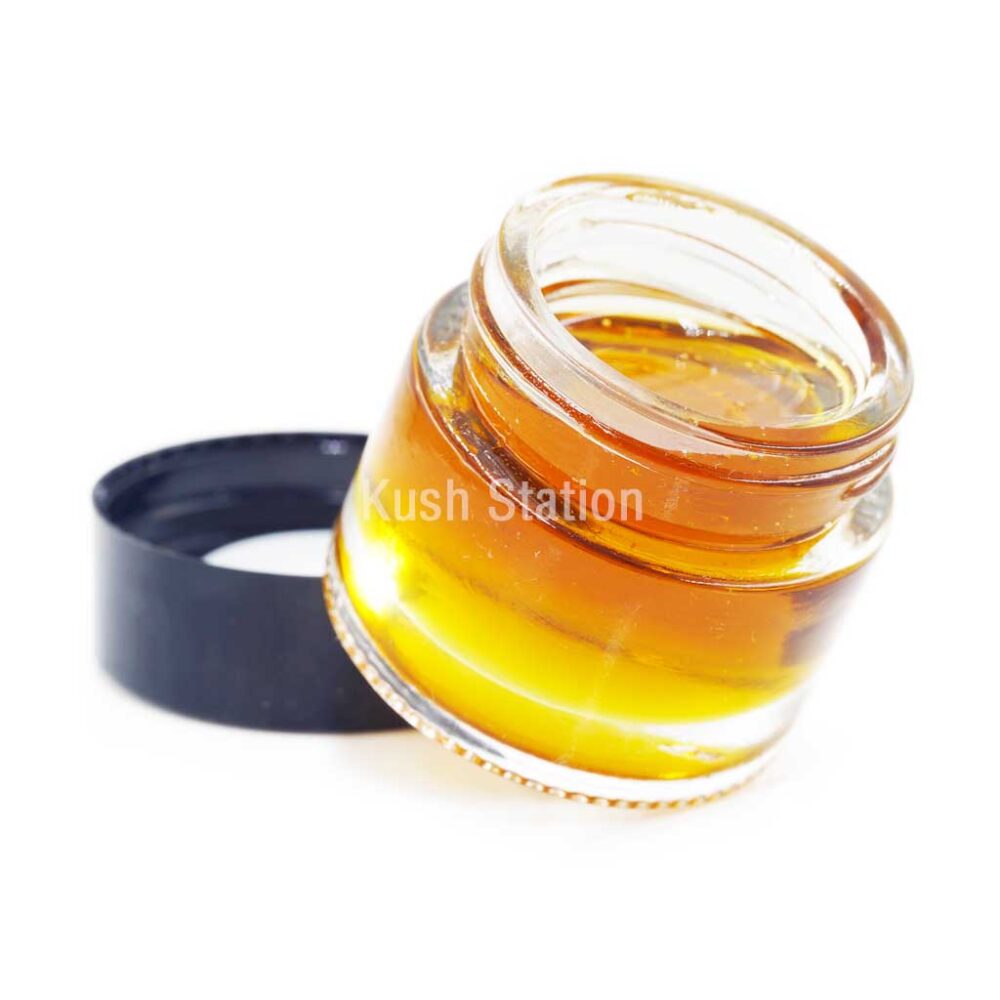
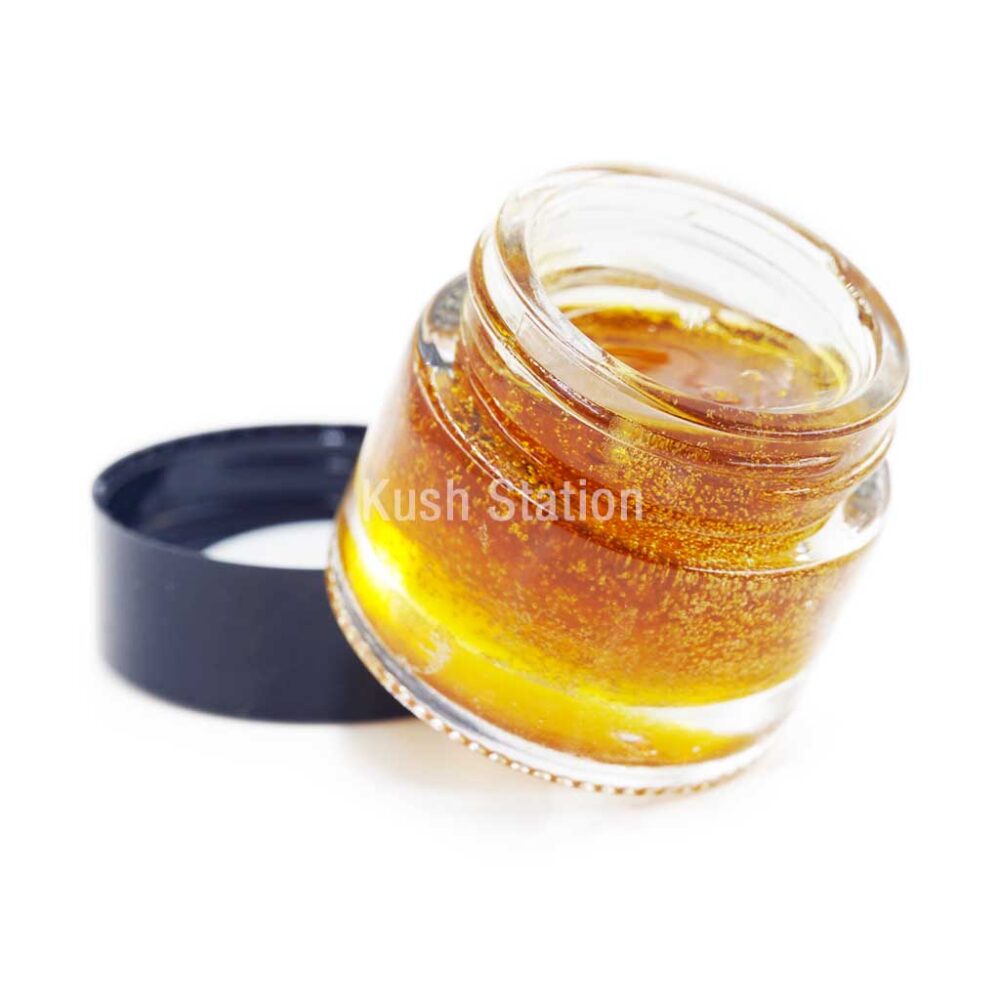
Honey oil occupies a particular place in the world of cannabis concentrates. It is not quite a full solvent extract, nor is it the fragile, terpene-rich consistency of live resin. It lands somewhere in the middle, offering a sticky, amber-colored concentrate that many people find easier to handle than waxy separates. The appeal is straightforward: you get a concentrated dose of delta-9 tetrahydrocannabinol and a broad range of cannabinoids without paying for the ultra-refined processes that drive up retail prices. For me, the real draw has always been the balance between flavor and effect. A well-made honey oil preserves enough of the plant's original character to make each strain distinct, yet it remains stable enough to store without constant refrigeration.
When I first started exploring affordable honey oil, I made the mistake of assuming that price alone told me everything I needed to know. That assumption cost me more than a few disappointing sessions. A jar that costs half as much as the competition may still be a bargain, but only if the extraction method and source material are sound. The key is knowing where a producer cuts corners and where they invest. Some of the best value I have found comes from smaller operations that use supercritical CO2 extraction. That method uses carbon dioxide under pressure to separate cannabinoids and terpenes from the plant matter, and it does so without leaving behind residual solvents. The equipment is expensive to set up, but once it is running, the per-unit cost can be surprisingly low. That efficiency often shows up on the shelf as a fair price for a clean product.
What Makes a Concentrate Both Affordable and Reliable
Reliability in cannabis concentrates starts with transparency. I have learned to look for batch numbers and third-party lab testing results before I hand over any money. A producer who publishes a potency analysis on every batch is telling you that they stand behind what they sell. That kind of openness is common among brands that have been in the cannabis industry long enough to know that trust is the only currency that matters. When you see a label that lists not just the total cannabinoid content but also a breakdown of major terpenes, you can start to predict how a particular honey oil will behave in a dab rig or a vaporizer. That information alone is worth paying a small premium for, but many times you can find it attached to products that are still priced well within a reasonable budget.
I remember picking up a gram of honey oil made from Durban Poison, a strain I have always associated with clear, energetic effects. The batch number on the label matched a recent certificate of analysis that showed a clean profile with no residual solvents. The price was lower than I expected for something that had been through a supercritical CO2 extraction. That experience taught me that affordable honey oil does not have to be a compromise. It just requires a little homework. Since then, I have applied the same logic to other strains. Blue Dream honey oil tends to carry a slightly higher price because of its popularity, but I have found that looking for smaller-batch releases from lesser-known producers yields almost identical results at a lower cost. Northern Lights, on the other hand, is a strain that has been grown for decades, and its genetics are stable enough that even budget-friendly extractions often capture the characteristic sweet, piney profile that makes it a classic.
Strain-Specific Options and the Entourage Effect
One of the more interesting developments in the concentrate market is the move toward strain-specific honey oils. Instead of blending biomass from multiple sources, producers are now isolating single strains and labeling them clearly. That shift matters because the entourage effect - the synergistic interaction between cannabinoids and terpenes - is most predictable when you know exactly which compounds are present. A strain-specific honey oil from a reputable source lets you choose an experience rather than just a potency number. For example, a Honey Banjo concentrate might emphasize a fruity, uplifting profile, while a Durban Poison oil leans toward a more focused, alert sensation. Having those options available at a price that does not break the bank is a sign that the market is maturing.
I have also noticed that the legal market in Washington state has been a proving ground for affordable honey oil. The regulatory environment there requires rigorous testing, and that requirement has pushed producers to refine their processes without raising prices dramatically. Many of the best value concentrates I have tried originated from Washington-based labs that have figured out how to scale supercritical CO2 extraction while maintaining consistency. The result is a steady supply of honey oil that meets a high standard of purity and still fits a reasonable budget. Other states are catching up, but Washington's early adoption of strict testing standards has given its producers a head start in the value segment.
How to Judge Quality Without a Lab Coat
You do not need a degree in chemistry to tell if a honey oil is worth the price. A few simple observations will tell you most of what you need to know. Look at the color first. A good honey oil ranges from a pale gold to a deep amber, depending on the strain and the extraction method. If the oil is dark brown or black, that usually indicates that heat was applied during processing, which degrades both flavor and potency. The consistency should be sticky but not runny. If it flows like syrup at room temperature, it may contain residual solvents or excess plant fats. A clean honey oil holds its shape when you pick it up with a dab tool, yet it melts smoothly when you apply heat.
Smell is another reliable indicator. Fresh honey oil carries the distinct aroma of the source strain. A Blue Dream oil should smell like blueberries and cream, not like burnt sugar or chemicals. If the scent is flat or harsh, the extraction likely used high heat or poor-quality starting material. I have found that affordable honey oil from producers who prioritize strain-specific runs tends to have a more pronounced and accurate aroma than generic blends, even when the generic blend costs the same amount per gram.

The Role of Third-Party Lab Testing
Third-party lab testing is the single most important tool for verifying that a honey oil is both safe and potent. A certificate of analysis should show the percentage of delta-9 tetrahydrocannabinol, the total cannabinoid content, and a screen for residual solvents, pesticides, and heavy metals. Some labs also provide a terpene profile, which is useful if you are trying to match a specific effect. I have seen products that advertise high THC percentages but fail to mention that the sample included significant amounts of THCa, the acidic form that does not produce psychoactive effects until it is decarboxylated. A full potency analysis will distinguish between the two, so you know exactly what you are getting.
When a producer makes those results easy to find, it tells me they are confident in their product. That confidence often correlates with better pricing because they are not trying to hide anything behind a fancy label or a high price tag. I have bought affordable honey oil from brands that publish their batch numbers and lab reports on the same page as the product listing, and I have never been disappointed. The transparency itself is a form of quality assurance.
Practical Tips for Everyday Use
Once you have found a honey oil that fits your budget and your standards, how you use it can make a big difference in your overall experience. I prefer a dab rig for most concentrates because it gives me precise temperature control, but a good vaporizer with a concentrate attachment works just as well and is often more portable. The key is to keep the temperature low enough to preserve the terpenes. At around 350 to 400 degrees Fahrenheit, you will get the full flavor profile along with the effects. Higher temperatures can destroy delicate compounds and produce a harsh vapor that masks the quality of the oil.
Storage also matters. Honey oil should be kept in a cool, dark place, preferably in a glass container with a tight seal. Exposure to light and air will oxidize the cannabinoids over time, reducing potency and darkening the color. A small silicone container is fine for short-term use, but for anything you plan to keep for more than a few weeks, glass is better. I have had jars of affordable honey oil that stayed fresh for months simply because I stored them properly.
The Bigger Picture in the Cannabis Industry
The push toward affordable honey oil is part of a broader trend in the cannabis industry. As more states legalize and more producers enter the market, competition drives prices down while quality standards rise. Shows like the Cannabis Cup and publications like High Times have helped popularize craft concentrates, but the real progress is happening in the middle of the market, where everyday users are demanding better value. Producers who respond by investing in clean extraction methods and transparent testing are the ones who will survive the long term.
I have watched the market evolve from a handful of expensive, unreliable options to a landscape where you can find affordable honey oil that rivals anything from a few years ago. The choices can still be overwhelming, but the fundamentals are simple: look for third-party lab testing, favor strain-specific runs from reputable sources, and trust your own senses over marketing copy. If you do that, you can enjoy the full range of what honey oil has to offer without stretching your budget.
Ends · MYAFFORDABLEHONEYOILPRESS